Solving K–12 Facility Challenges With a Phased Approach

School facility improvements don’t have to happen all at once.
For many districts, a large upfront investment simply isn’t realistic. Competing priorities, deferred maintenance, and a $90 billion annual shortfall in school facility funding make it difficult to act, even when needs are clear.
That’s why more districts are taking a phased facility modernization approach: building a long-term plan they can act on over time, with the right data, support, and confidence to strategically improve facilities while protecting their overall financial stability.
Two Alabama districts, Calhoun County Schools and Albertville City Schools, are both doing just that. While their paths look different, both districts are using a flexible, multi-phase strategy to modernize facilities in a way that works for their needs today and in the future.
Calhoun County Schools
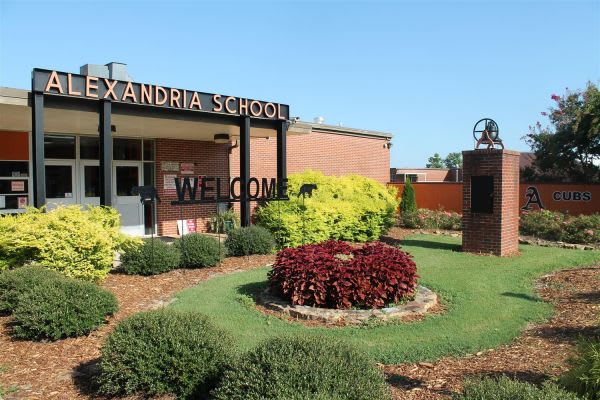
District-wide transformation at scale
Calhoun County Schools is taking a district-wide approach to modernization built around scale, visibility, and long-term planning. Through their partnership with Schneider Electric, the district is focusing on both immediate improvements and long-term operational planning to support student success.
The district manages more than 2 million square feet and over 1,200 HVAC units across multiple campuses, all without centralized visibility or control. This created a constant strain on staff, who were often traveling campus to campus to troubleshoot issues in real time.
Phase 1 focused on building a strong operational foundation:
- Implementing building automation systems to provide visibility and control
- Developing a capital asset planning (CAP) roadmap to guide decisions
- Upgrading lighting systems to reduce costs and return dollars back to the district
With that foundation in place, Phase 2 expands the scope to address additional needs across the district. This includes:
- Facility upgrades like the Ag Shop and gym renovations
- District-wide rekeying of more than 4,700 doors
- Continued improvements to overall building conditions and systems
These projects go beyond individual upgrades. They reflect a broader strategy to help the district stay ahead of its needs and plan with confidence over time.
Recent facility improvements also demonstrate a more comprehensive approach. For example, gym renovations are addressing not just flooring, but walls, ceilings, lighting, ventilation, and even existing asbestos conditions—ensuring long-term performance and safety.Albertville City Schools
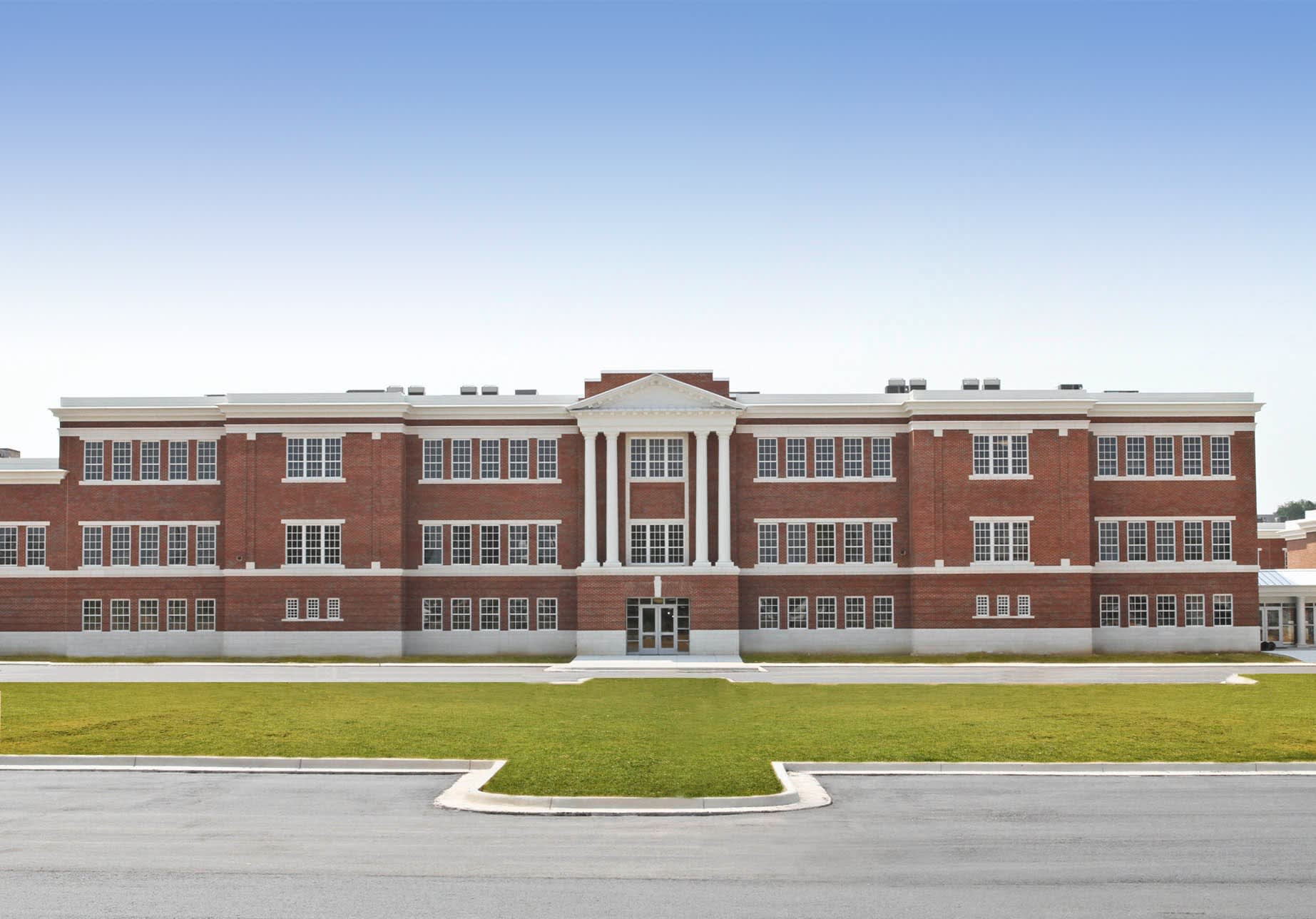
A focused starting point with room to grow
Albertville City Schools took a different approach—starting with a targeted Phase 1 project at a single site.
While the district evaluated needs across all facilities, leadership chose to begin with Albertville High School as a strategic entry point.
The high school was identified as a priority due to:
- Aging, high-use systems
- Ongoing comfort and temperature challenges, especially in gym and fine arts spaces
- Limited and fragmented building control systems
Phase 1 focused on stabilizing these critical systems through HVAC and building automation upgrades. Just as important, it created a scalable foundation the district can build on in future phases.
This wasn’t the only need across the district, it was simply the most urgent. With this first phase complete, Albertville now has a clearer roadmap for what comes next and the confidence to move forward step by step.
Ready to start?
Deferred maintenance and financial uncertainty do not have to stall progress. A phased modernization strategy helps districts meet urgent needs today while planning confidently for tomorrow, creating more efficient and resilient learning environments.
Ready to begin your district’s modernization journey? Contact us to explore a customized, fiscally responsible plan built around your goals.